THE DRAINAGE RISKS HIDDEN IN DRY WEATHER
The recent dry weather has meant that many surface water drainage systems have seen little to no flow for prolonged periods. However, a lack of visible issues does not necessarily mean everything is working as it should. Defects, debris and other problems can remain unnoticed beneath the surface, only becoming apparent when heavier rainfall puts the system under pressure.
By this point, reactive maintenance and emergency repairs can be more disruptive, difficult to manage and ultimately more costly.
While it is impossible to predict whether the lack of rainfall experienced throughout the summer will be followed by a wetter autumn or winter than usual, avoidable drainage issues can be reduced through proactive inspection and maintenance before seasonal conditions change.
Silt and debris build up
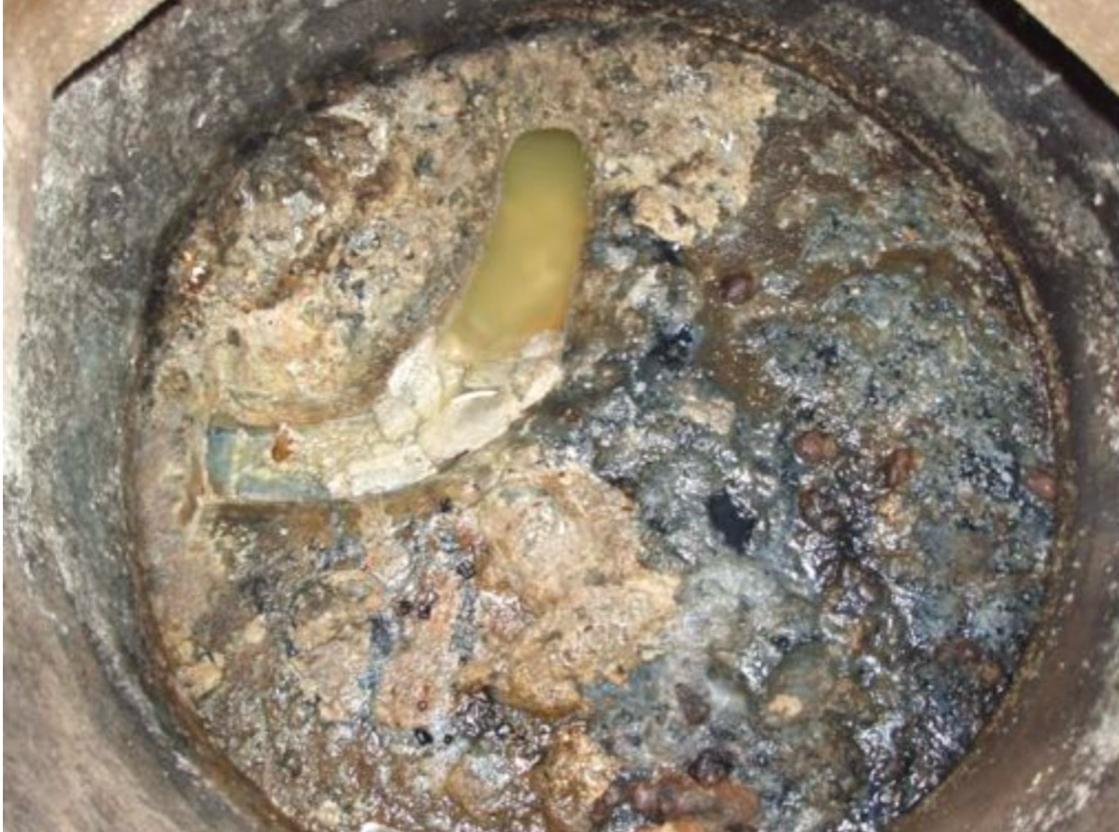
Silt is made up of fine particles that settle within the drainage system over time, often originating from soil, sediment and decomposed organic matter such as leaves.
Debris can enter the system from a variety of sources, including leaves, litter and other foreign materials washed into the surface water drainage system.
Following a prolonged period of dry weather and limited flow through the pipework, silt and debris can accumulate and remain undisturbed within the system. When rainfall returns, this material can be displaced and carried through the network, potentially restricting flow, causing blockages and reducing the overall capacity of the drainage system.
Grease and Fat Deposits
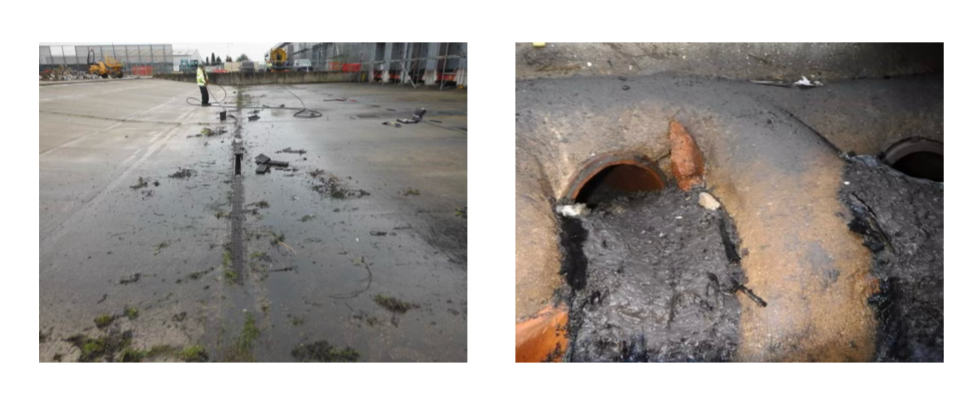
Similarly to silt and debris build-up, reduced flow through the drainage system can allow grease and fat deposits to settle and solidify, creating stubborn blockages. This is particularly common within drainage serving commercial kitchens and food preparation areas.
These blockages again will only become realised when the rainfall reduces and flow is restricted creating backlogs and potentially flooding. However, the remediation for this is usually involved high-pressure jetting or using a Picote machine which, in comparison to the issues that flooding can cause, a much cheaper and practical alternative.
Roots ingress
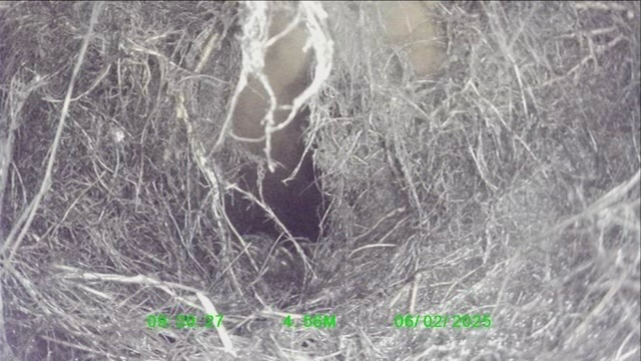
When roots are in search of water, they growing through existing, often small defects in search of water, and in turn can cause blockages and further defects in the pipework.
With the dry weather, tree roots will search even more for water and as a result, root ingress will increase. However, as this is not visible from above the surface, the consequences of root ingress will only become noticed when an issue is occurring above the surface, and the severity can only be known with a cctv survey.
Initially, root ingress can be resolved with high-pressure jetting or removed using a Picote machine, but depending on the severity and size, the whole pipework may require excavation and replacing which is costly and often disruptive.
Oil Interceptor Maintenance
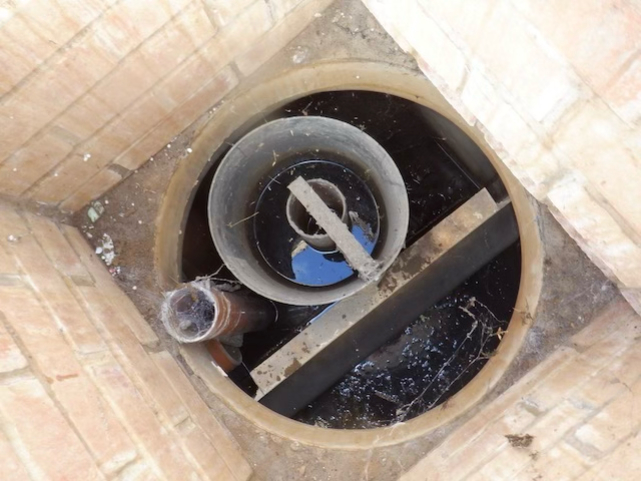
We recommend that oil interceptors are serviced and maintained at least annually to ensure they remain operational and capable of protecting the surrounding environment from pollution.
Oil interceptors provide an important line of defence, preventing oil and other hydrocarbons from entering the wider drainage system and environment. Regular maintenance ensures they retain sufficient capacity and continue to perform effectively when needed.
Following prolonged dry weather, heavy or sustained rainfall can place additional pressure on drainage systems. If an interceptor is already approaching capacity or overdue for emptying, there is an increased risk of contaminated water passing through the system and entering the surrounding environment, with potentially significant environmental and financial consequences.
This becomes particularly important for sites located within a Groundwater Source Protection Zone (GWSPZ), where groundwater is used for public drinking water supply and the consequences of pollution can be especially serious.
Oil Storage on site
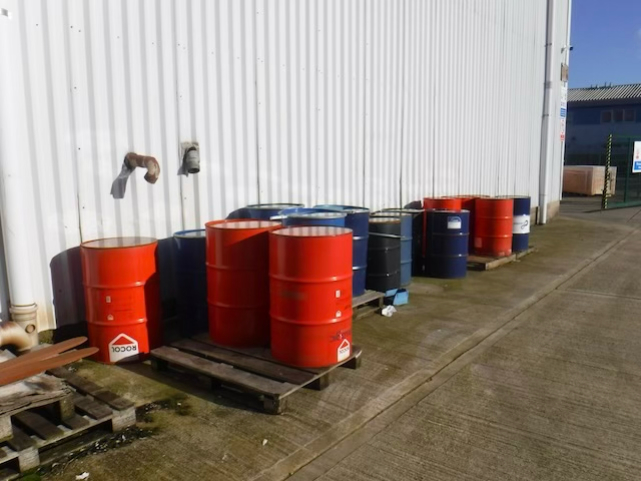
Any oil stored onsite requires a bund which is a secondary storage facility incase of a leak or spillage. This may be a second skin or a physical bund with the ability to store 110% of the volume.
As part of our inspection, we assess which drains any spillages or drips would wash into. Due to the lack of rainfall, any spillages are likely to stay on the ground, until the rainfall washes it away.
This would ideally be to a surface water drain leading to an oil interceptor to remove contaminants from the flow. However, if the interceptor is at capacity or not operating effectively due to insufficient maintenance, it may no longer provide this level of protection.
Therefore, when the rain does arrive, the pollutants will wash straight from the site into the environment which is a criminal offence.
Relying on rainfall as a test is not advisable
For high-value assets and operationally critical sites, increased rainfall should not be the trigger that exposes underlying drainage issues. Relying on flooding or system failure to highlight defects is a reactive and potentially costly approach to maintenance.
A CCTV drainage survey can identify defects, restrictions and areas of concern before they develop into failures requiring emergency intervention. Reactive repairs are typically more expensive and can cause significant disruption to normal site operations.
Acting proactively provides greater control. Identifying issues now allows time to assess their severity, prioritise works and plan remedial action around both operational and budget requirements. This provides greater flexibility and helps ensure the site is prepared ahead of the wetter winter months.
In the process of acquiring a site?
The drainage system may not currently be operating at it’s future capacity. Changes in occupancy, use or operational demand, in addition to increased rainfall, it places considerably greater pressure on the system. Understanding its condition and capacity now can help prevent unexpected disruption and costly remedial works further down the line.
Our Portfolio

WHY THEY ARE CRITICAL FOR KEEPING SITES COMPLIANT
THE value of treatment plant maintenance

LAMMAS EDITION
THE WJ SHIRLEY QUARTERLY NEWSLETTER