ASSET CONDITION REVIEW ON CARE HOME PORTFOLIO
WJ Shirley were instructed to completed a number of drainage CCTV inspections for a portfolio of Care Homes for client, Jewish Care.
Portfolios are our speciality as we have a large number of teams based nationwide, meaning we are equipped for working on numerous assets at any one time within a short timeframe in order to meet deadlines.
General Observation
Our assessment found the sites to be in generally good to moderate condition with both structural integrity and operational capacity being satisfactory.
The main recommendation for improvement included high-pressure jetting works to clear the build up of silt and debris to improve the efficiency and effectiveness of the system.
Whilst there was no immediate serious defects found across all the sites, the risk of ignoring blockages and build means they will only increase overtime, increasing the likelihood of a large blockage occurring and then causing back log and flood.
If this risk was to come to fruition during a storm, it could be detrimental to the site, particularly as these are homes.
We also noted a few defective inspection covers which require being broken our and renewed to provide maintenance and inspection access.
Risk of Roots
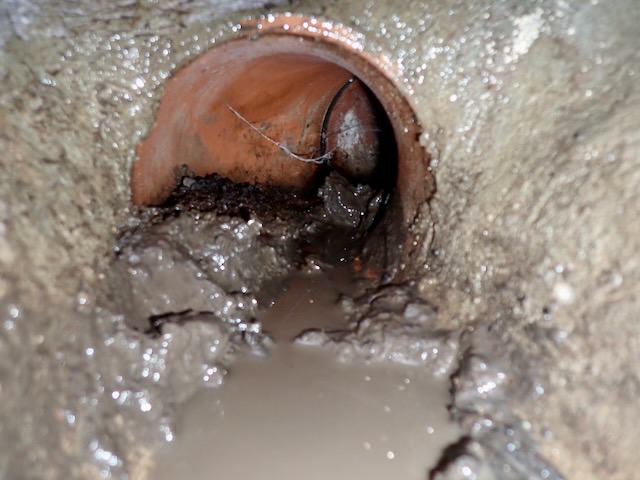
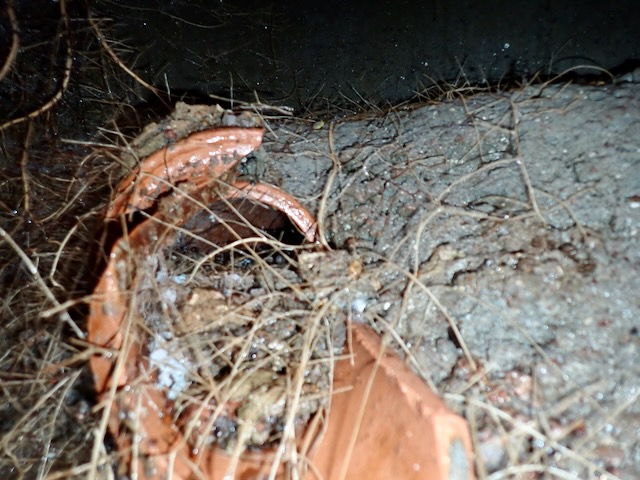
On two of the sites, we discovered root ingress. This is where roots grow through existing small defects in search of water and subsequently cause repeat blockages. We recommend these roots are cut and monitored during maintenance works for regrowth. The defects in the pipework may have to be corrected using no-dig patch repairs, or an entire excavation and replacement if the roots are causing repeat issues and have significantly affected the overall structure of the pipes.
It is a good idea to consider a drainage inspection when acquiring a property, or ensuring drainage PPM work on current sites if there are trees, even a very small number, located remotely near pipework to rule out root ingress occurring as it can have significant complications if left unnoticed.
Commercial Kitchen Considerations
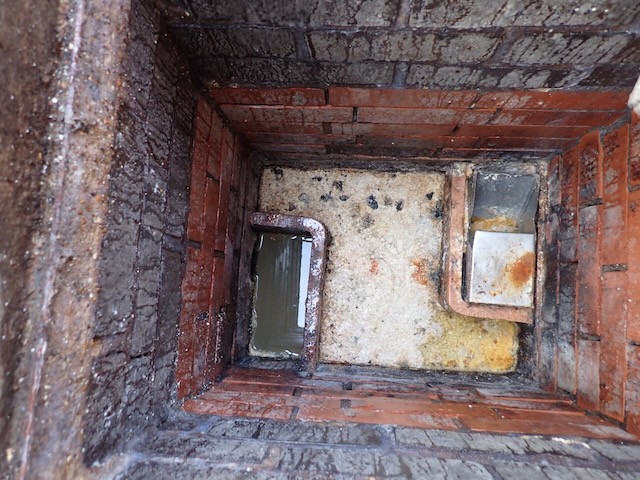
One of the sites, because of its size, had a grease trap installed. This is good practice for large commercial kitchens to prevent fats, oils and greases (FOGS) from entering the public sewer system which cause blockages.
It is best practice to to ensure annual maintenance is carried out on grease traps to clear them and ensure they remain effective. This includes clearing with a suction tanker in conjunction with high pressure jetting, with the waste removed and disposed of at a Waste Transfer station.
Condition Evaluation
The surveys on these sites were undertaken during the winter months and done for the purpose of understanding the condition of the system.
Often issues are only realised when a serious problem occurs, such as a flood which usually occur within the wet winter months, but by proactively instructing a drainage survey, threats can be highlighted before they appear above the surface with significantly higher repair costs and disruption.
We recommend that yearly maintenance work is also instructed to monitor some of the defects we highlight and to ensure features such as grease traps can be serviced.
If you have any concerns regarding the condition of a site’s drainage system, or suspect a drainage-related matter, please get in touch and we would be happy to provide a quotation.
Our Portfolio

WHY THEY ARE CRITICAL FOR KEEPING SITES COMPLIANT
THE value of treatment plant maintenance

LAMMAS EDITION
THE WJ SHIRLEY QUARTERLY NEWSLETTER